Research, product updates, and working patterns from the teams putting legal agents into production.

AI knows contract law. It doesn't know your company, by Lorna Khemraz

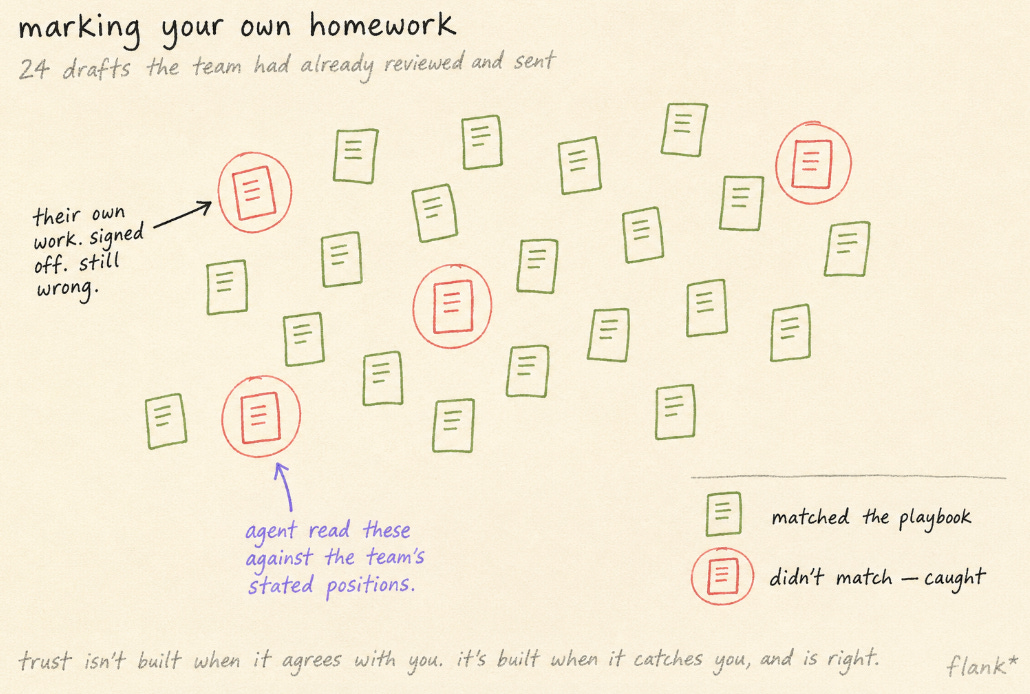
The playbook had a gap. The agent found it, by Paul Lacey

If 2024 was the “Year of the Pilot”, a time of cautious experimentation, proof-of-concept projects, and learning what works, then 2025 marked the beginning of the shift.
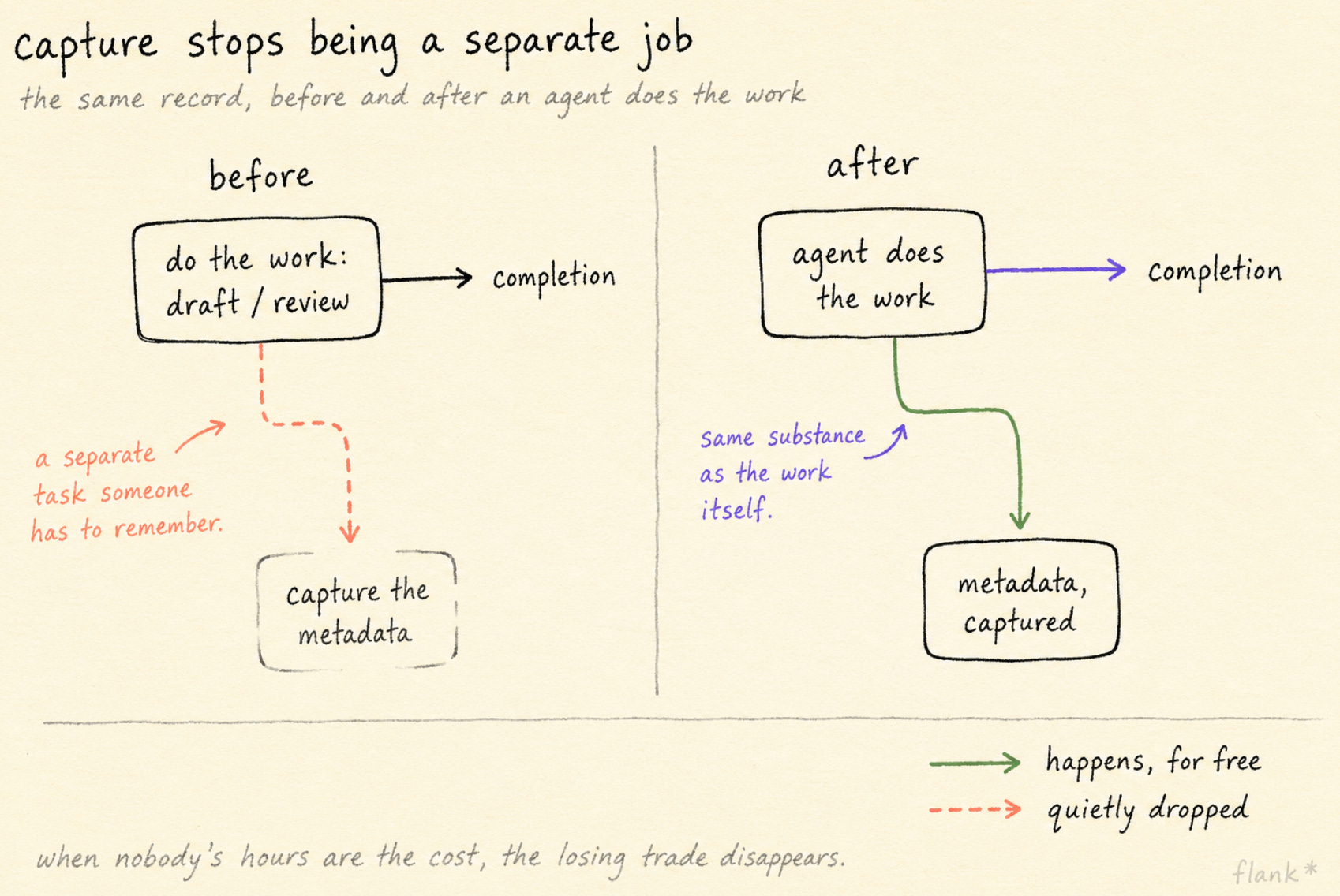
Why most legal AI pilots solve an activity, not a need, by Taariq Ismail

Why the deployments that 'failed' were never built to succeed, by Lorna Khemraz

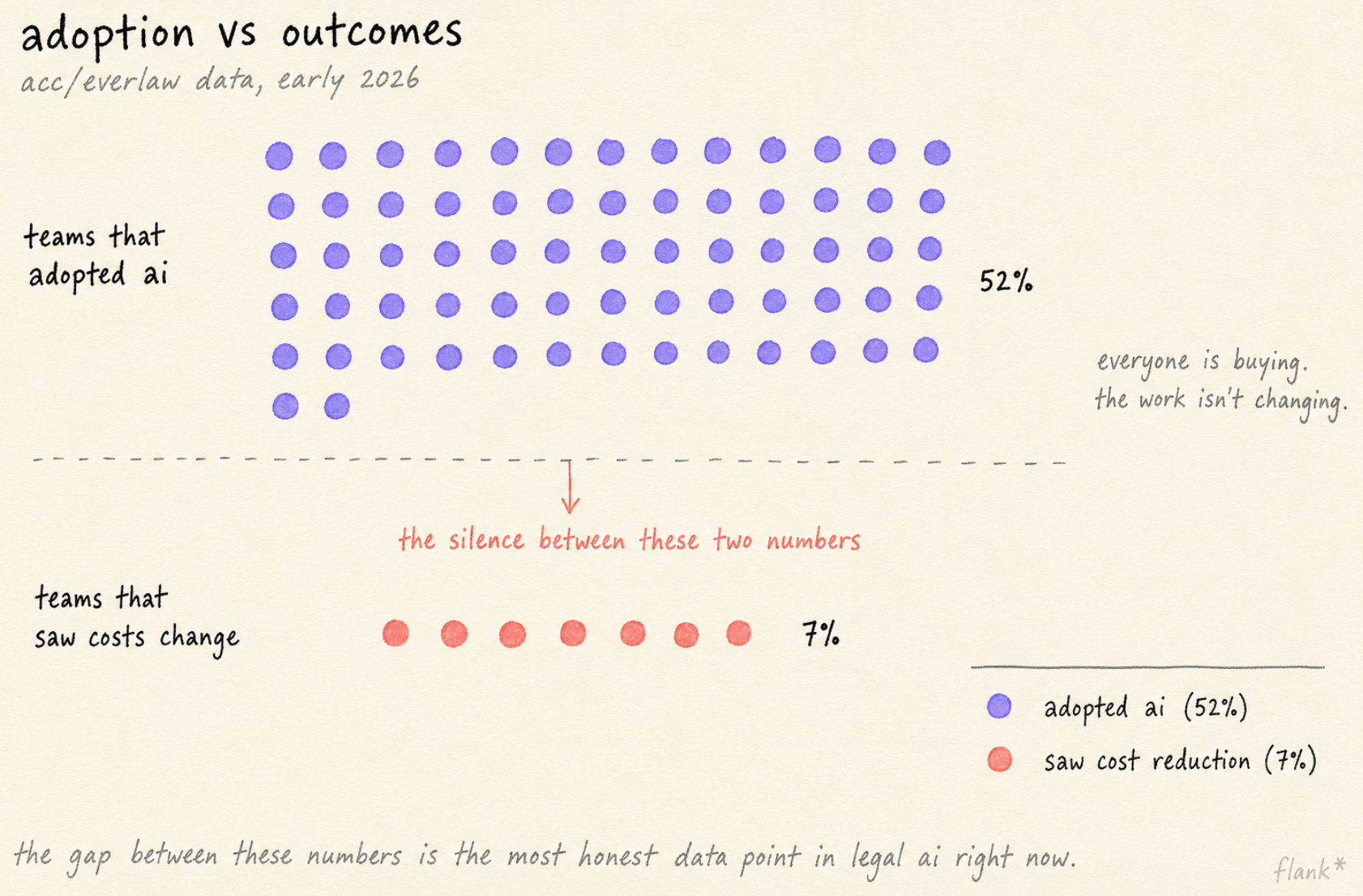
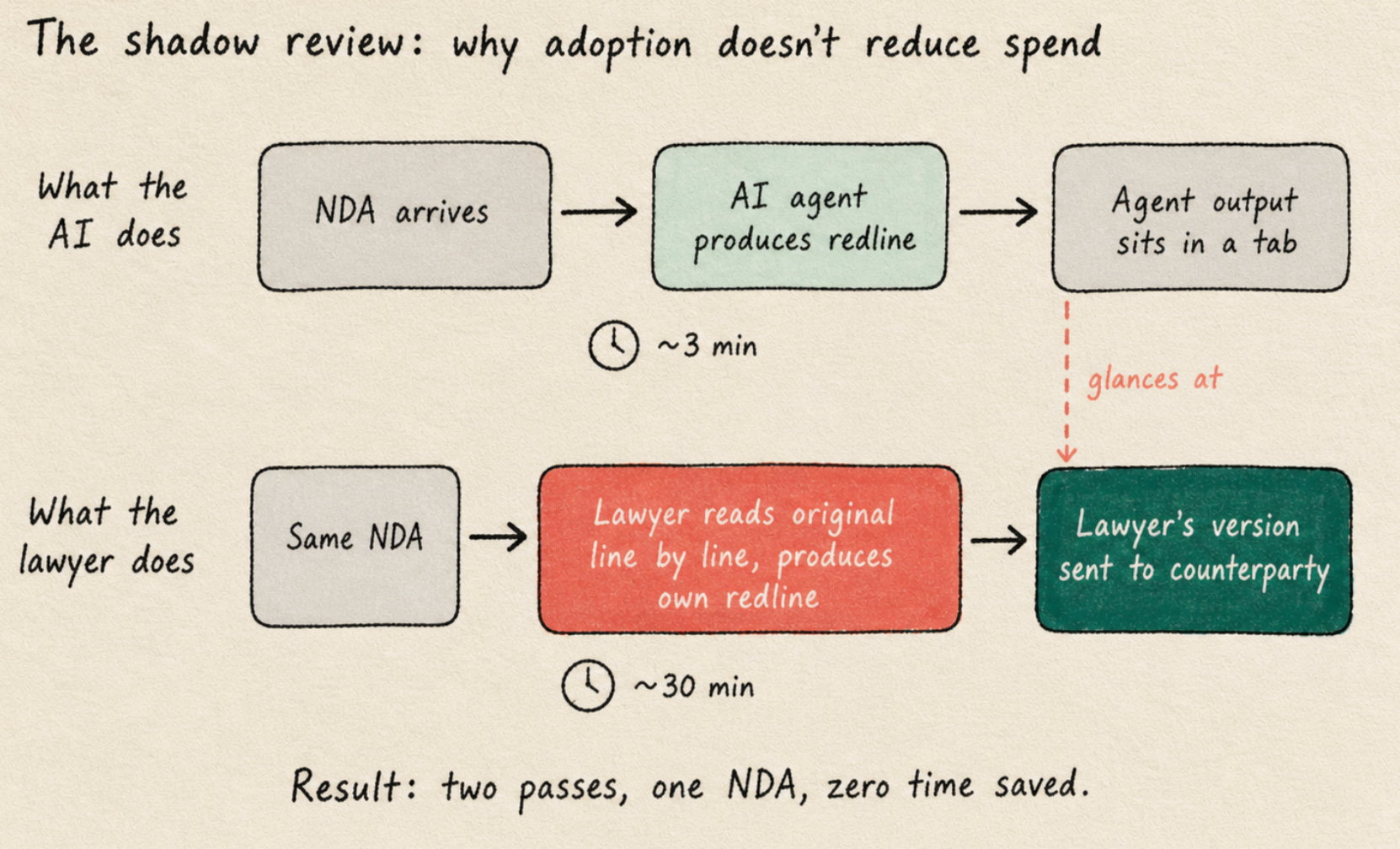
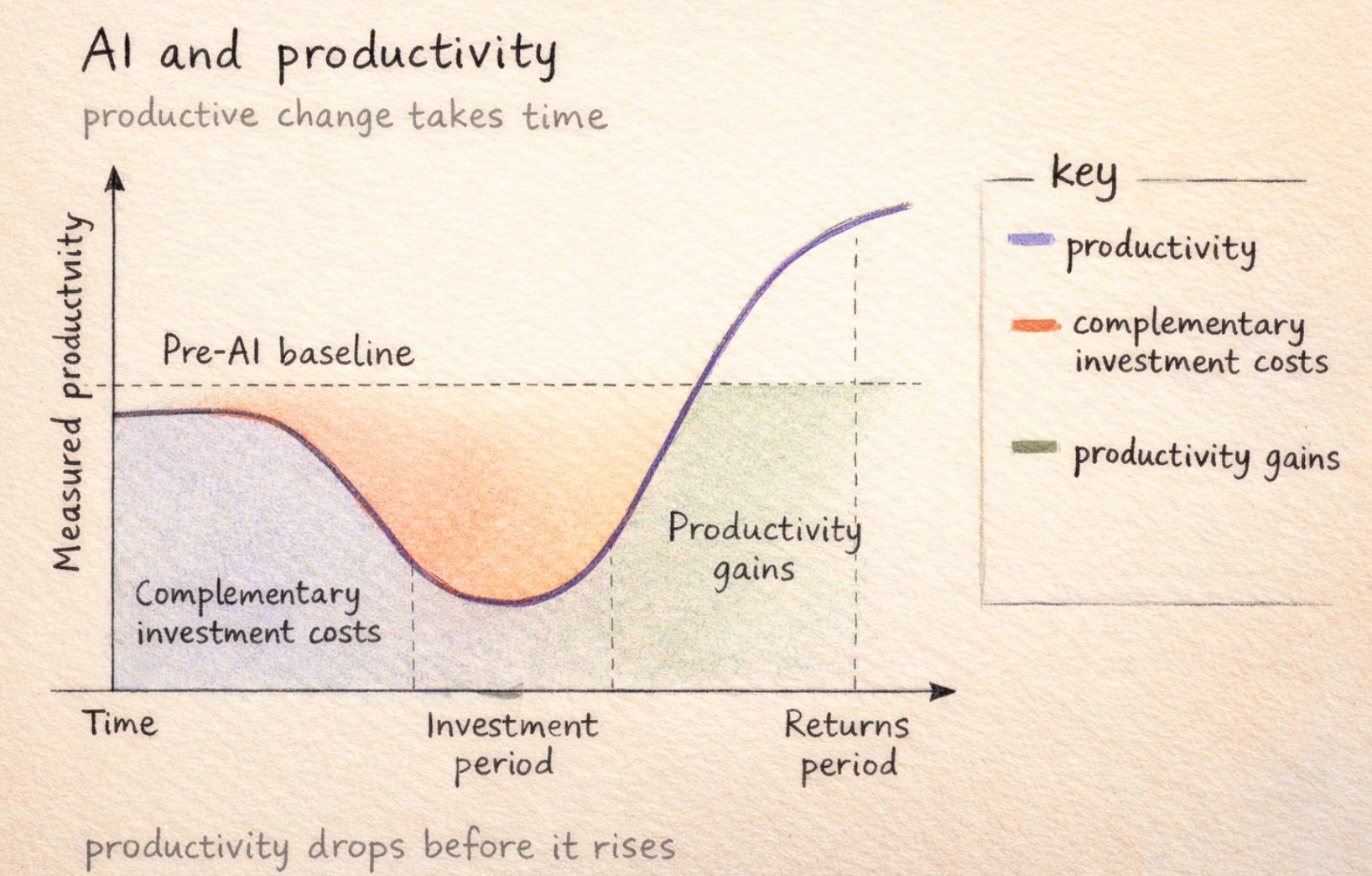
Why 52% of legal teams adopted AI but almost none reduced costs, by Martin Lukac

Why most legal AI pilots fail to move out of pilot stage, by Taariq Ismail

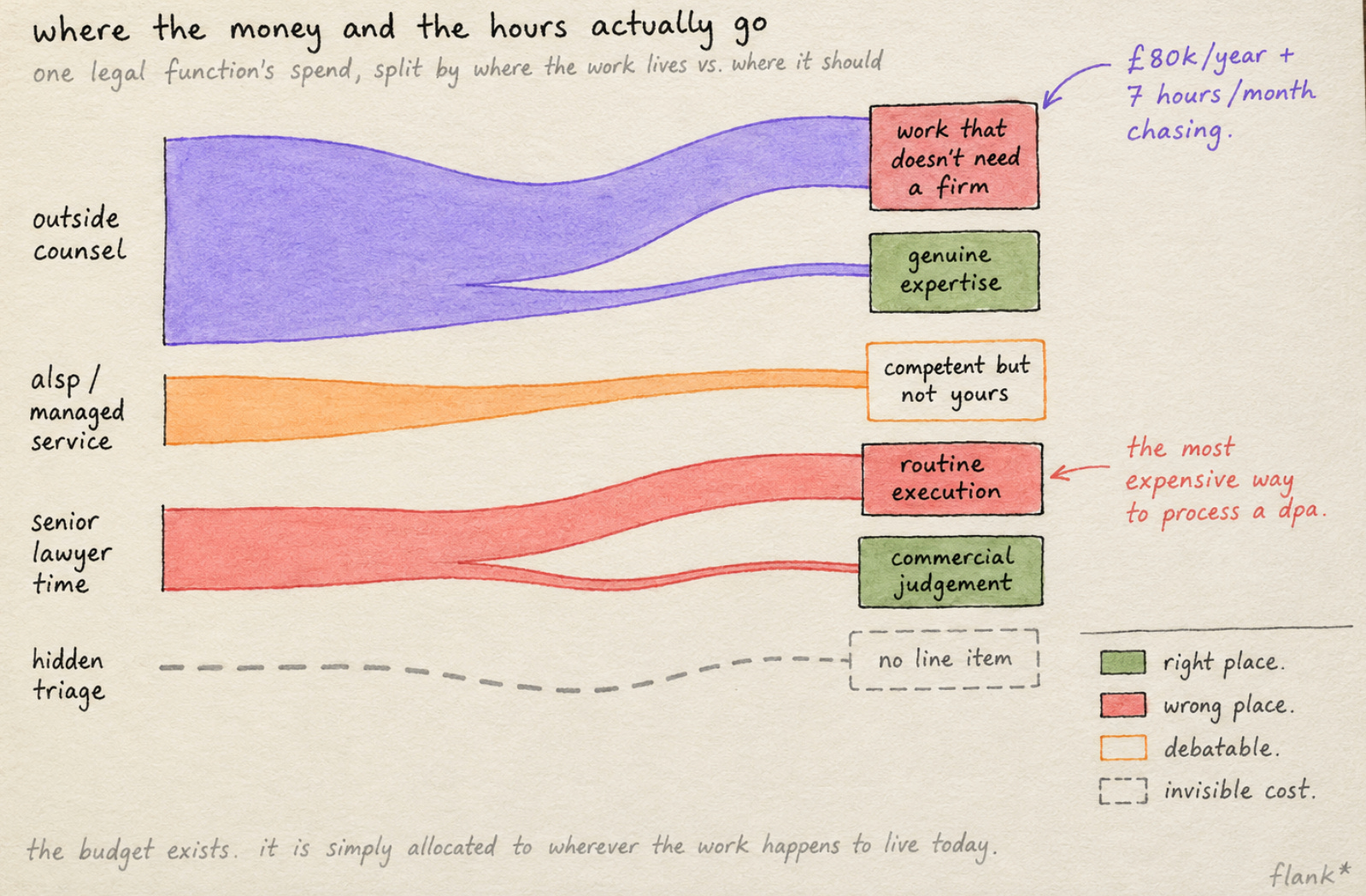
The services line item that enterprise legal teams are starting to reallocate. Jake Jones explains.

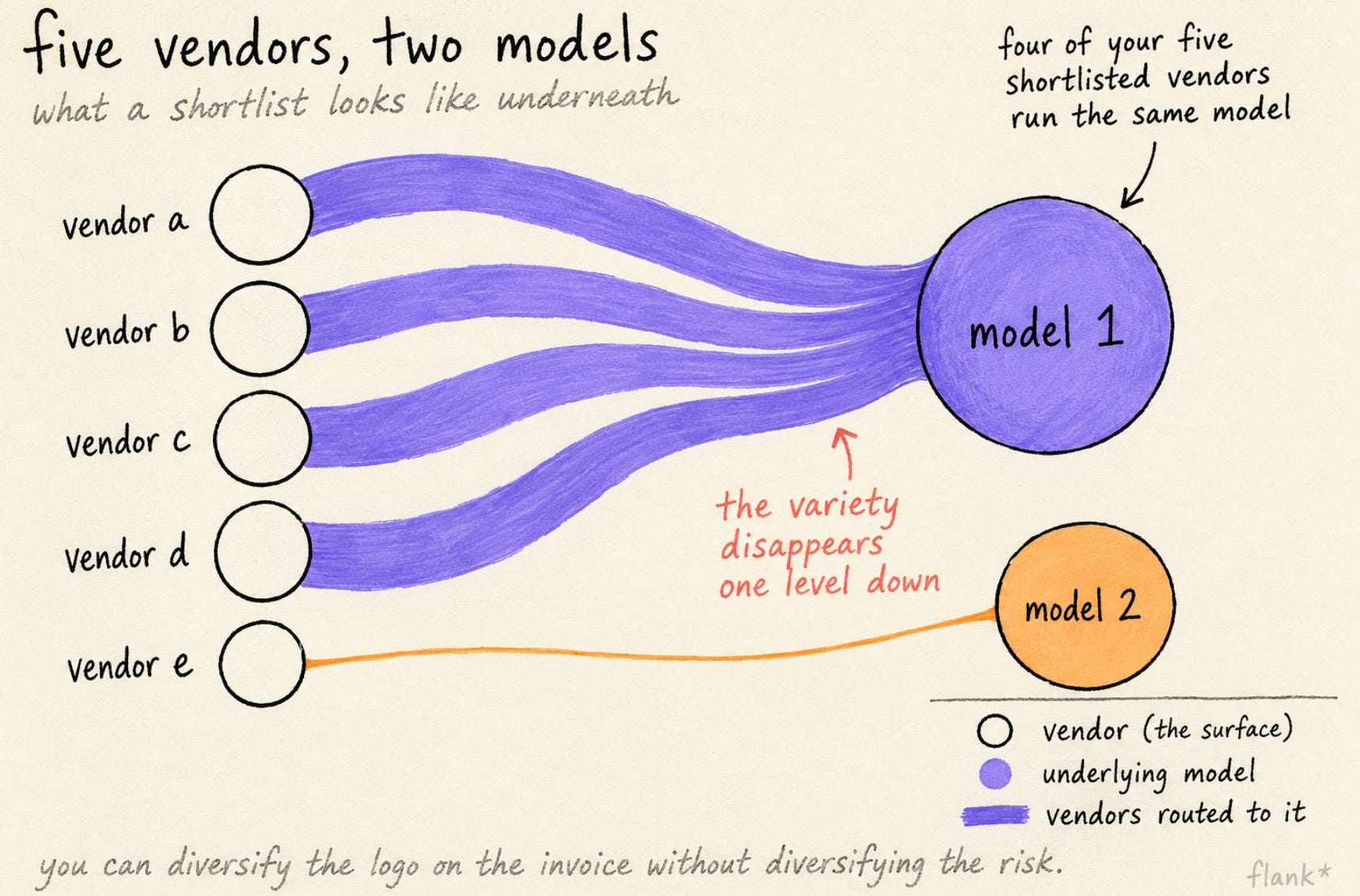
Why better AI doesn't mean a better model, by Martin Lukac

Why enterprise contract complexity is no longer a ceiling for AI agents, by Paul Lacey

How operational chaos masquerades as legal complexity, and what happens when you separate the two, by Lorna Khemraz

The week legal AI stopped being theoretical

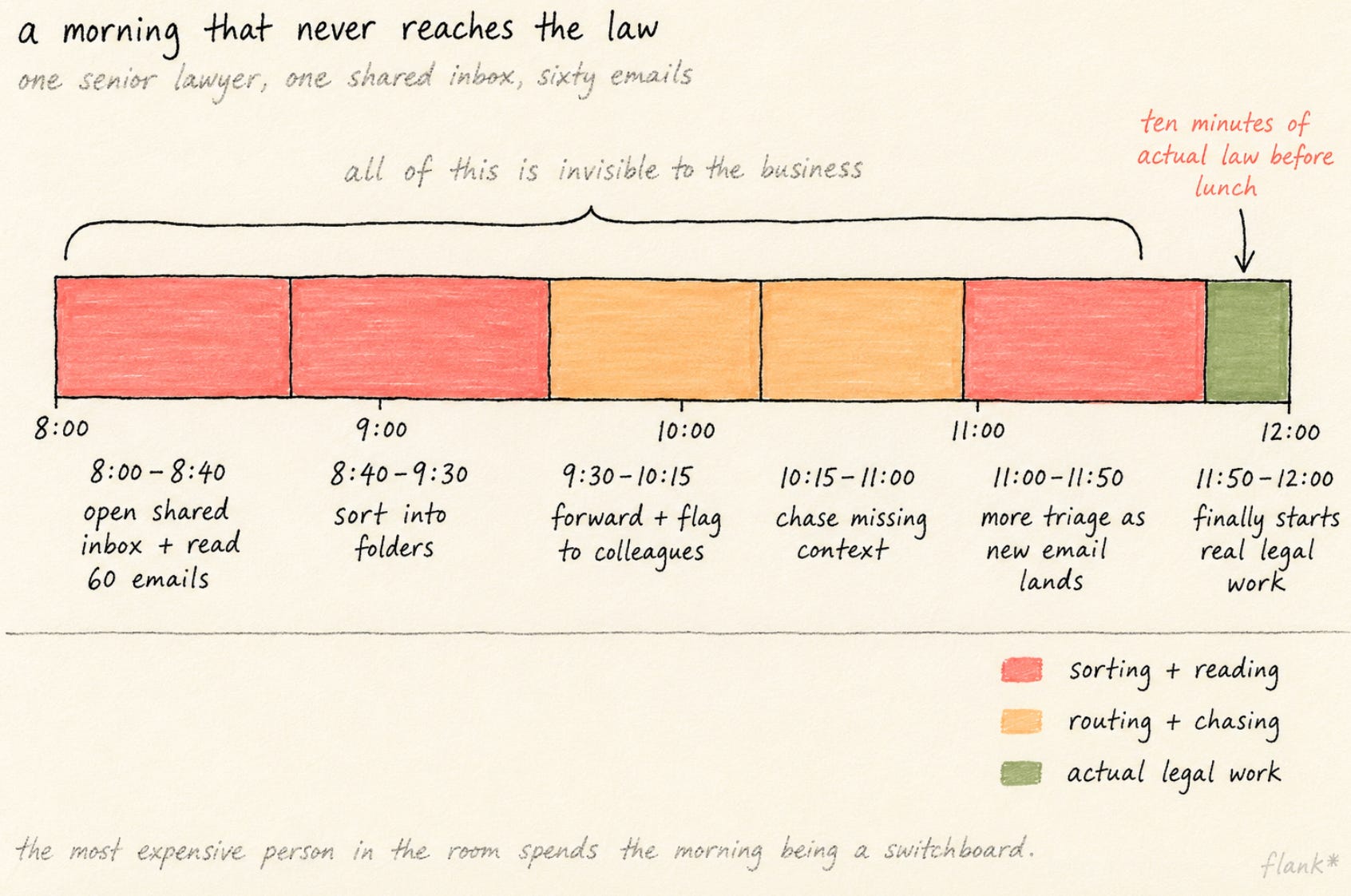
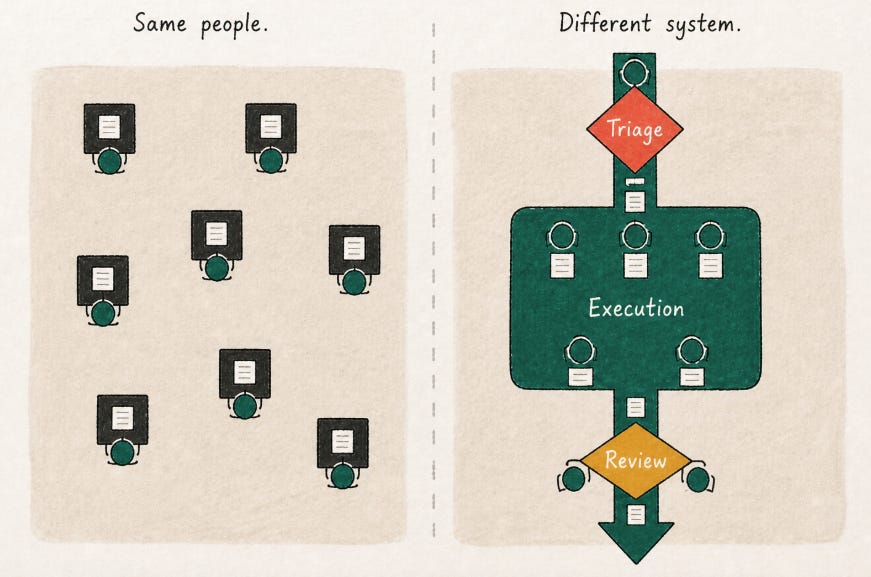
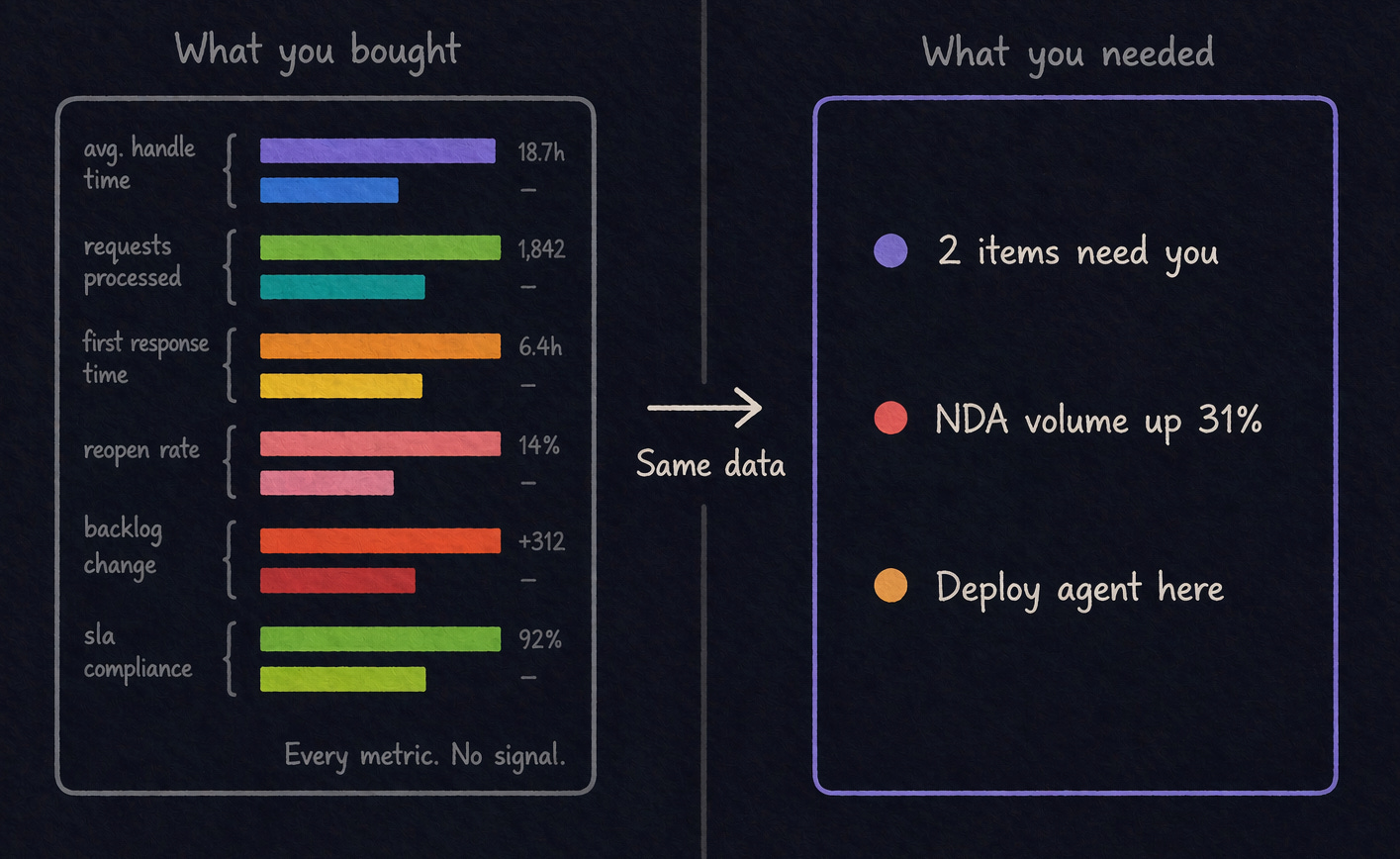
The throughput problem nobody is measuring

For the past few years, the legal industry has been in a phase of exploration. We have seen firms and in-house teams adopting Generative AI tools largely for the novelty factor – testing the waters to see what is possible.

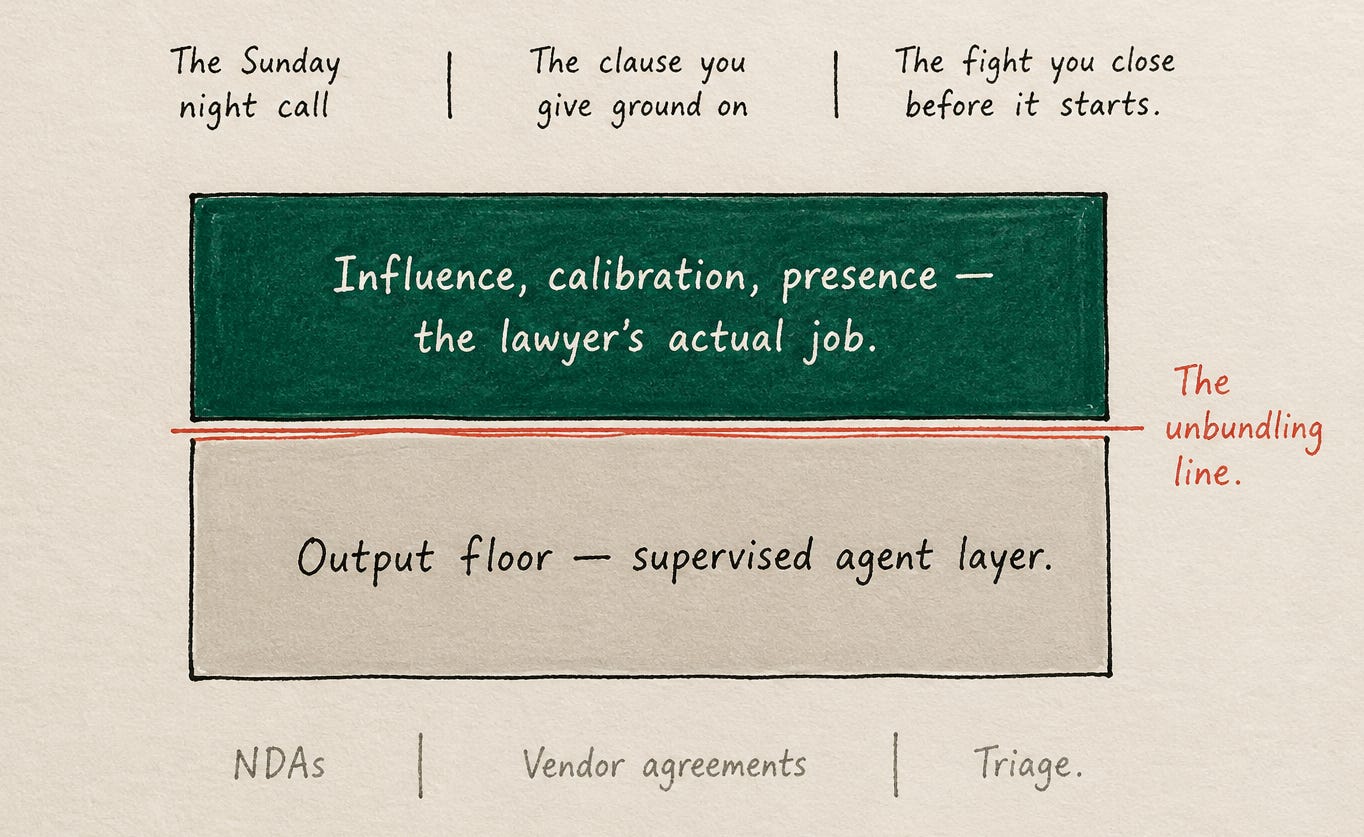
There is a pervasive fear that autonomous AI replaces the need for legal expertise. The reality is the opposite: it clarifies the value of true expertise by stripping away the drudgery.

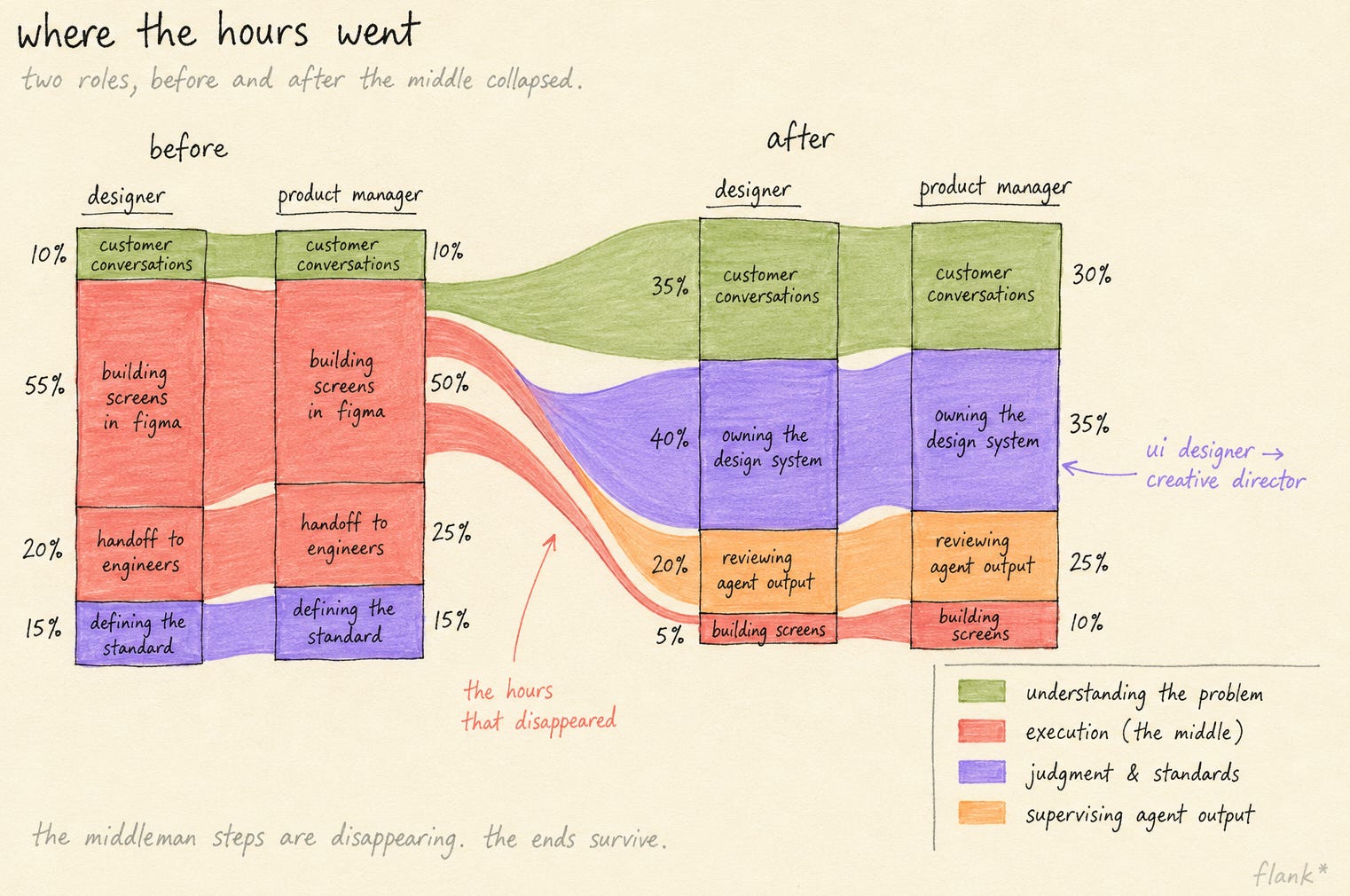
For decades, the economic model of the in-house legal team has been broken. It was a linear equation, but not any more.

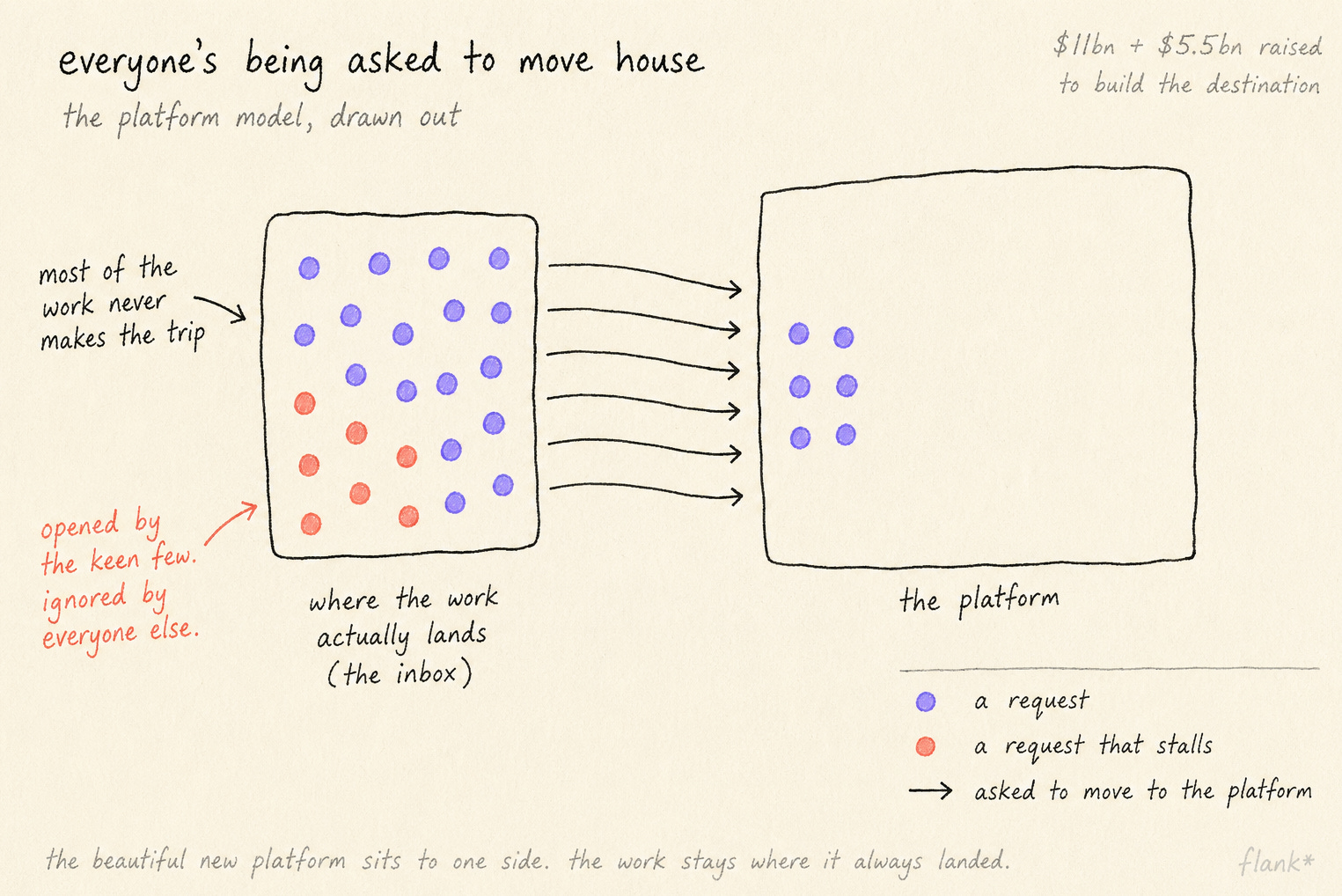
The ultimate measure of success for a legal AI deployment in 2026 is not how many lawyers are logging into a tool. It is whether the business users even know the tool exists.

For the last two years, lawyers have been told that AI is "almost there". Yet, in private, the reality has been different.
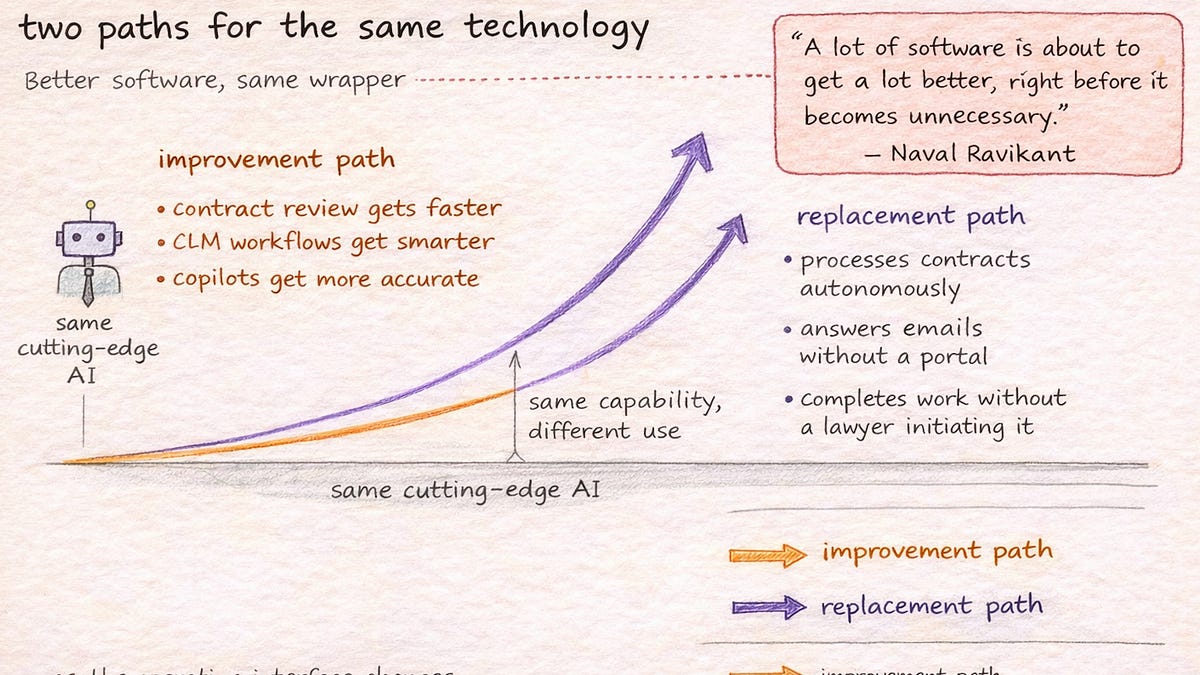
Flank is the first enterprise-ready agentic system built for legal work. Instead of assisting lawyers; it handles the work itself: reviewing, drafting, redlining, triaging, and filing across the systems your team already uses such as Outlook, Teams, Jira, and Salesforce.
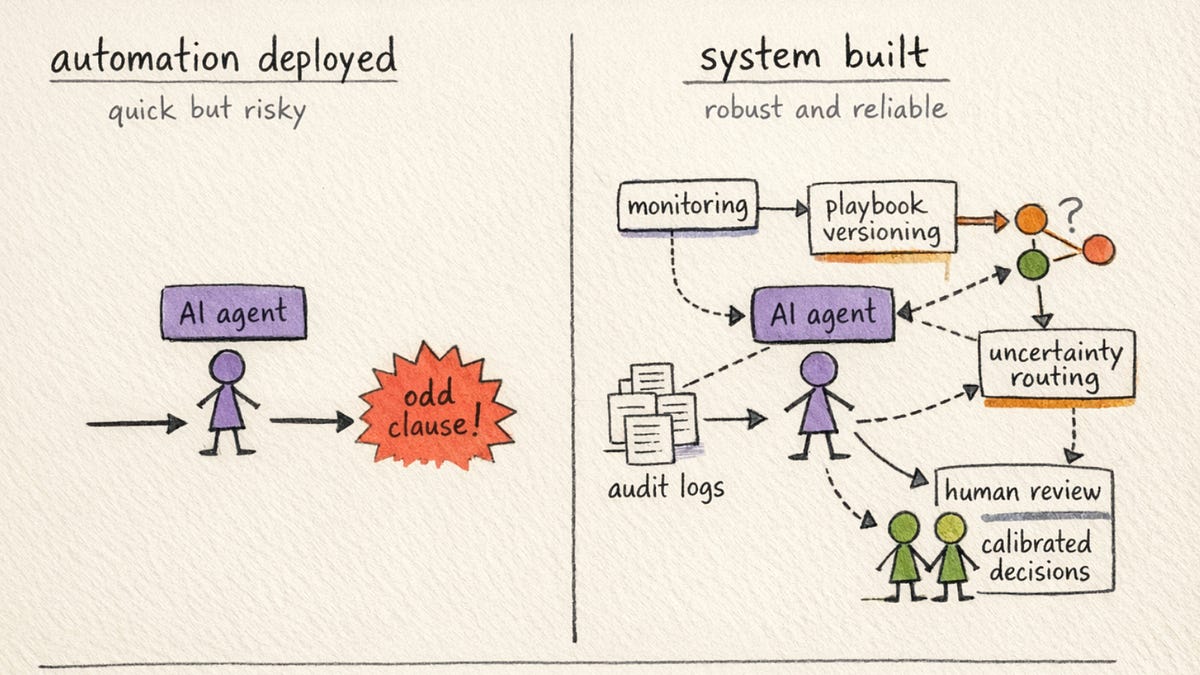
This post explores how to build aligned legal AI agents that reflect context, escalation paths, and layered decision-making - not just outputs. That's because useful legal AI isn’t just about automation. It’s about understanding how lawyers think.

Trusted by DeepL, Bolt, SumUp, TravelPerk, Axel Springer and more.