Autonomy vs. assistance
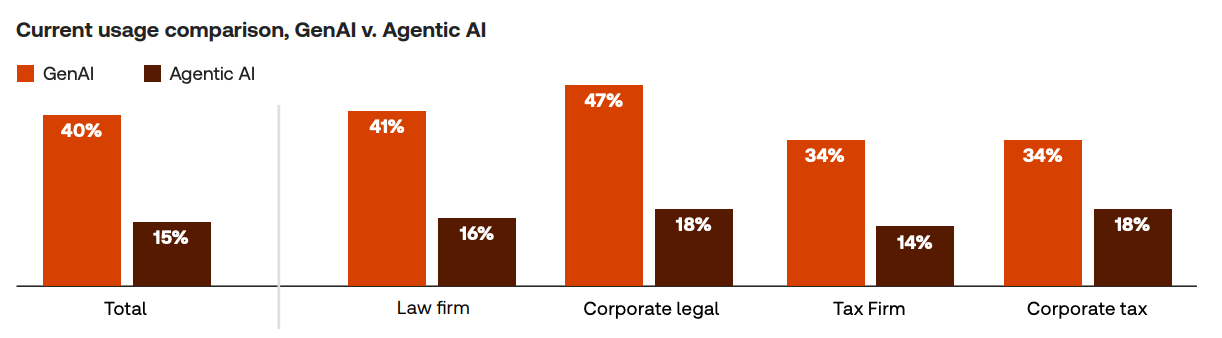
We are moving from an era of "Assistive Technology" (software you use) to "Autonomous Intelligence" (software that acts). In 2024, the only sane use of AI was as a co-pilot – a sidekick to help a lawyer draft an email or summarize a clause.
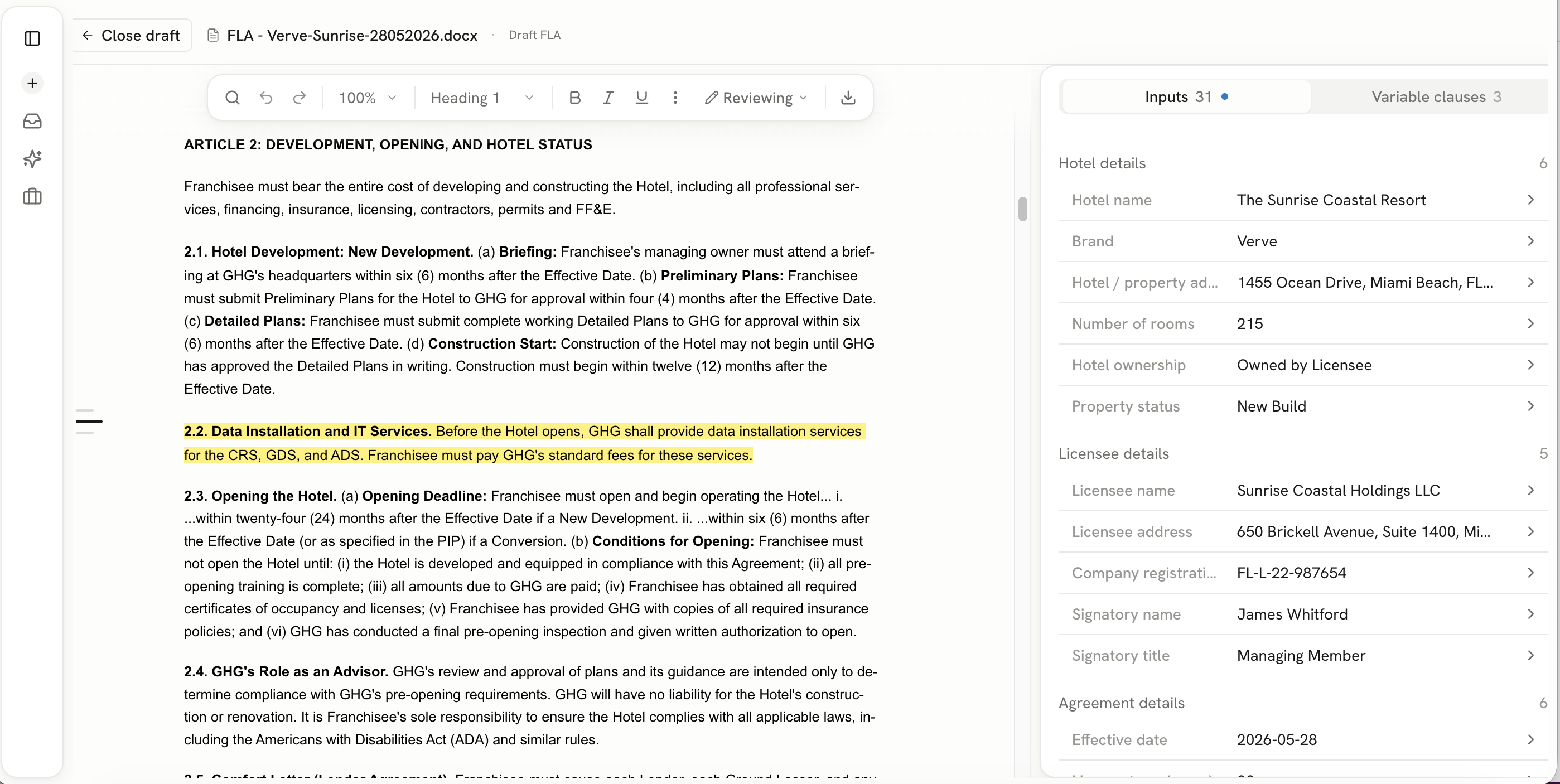
Today, we can deploy agents that act independently. An agent can sit in a shared mailbox, triage incoming requests, decide if it has the authority to handle them, execute the work, and reply to the business – all without human intervention.
The latency advantage
This shift fundamentally changes the concept of speed in legal services.
- Assistive: Requires real-time human drive. The speed is limited by how fast the lawyer can prompt and review.
- Autonomous: Decoupled from human time. An agent might take 2 minutes or 60 minutes to "think" through a complex problem. Because it runs in the background, this latency doesn't matter. It is still infinitely faster than a request sitting in a paralegal's queue for seven days.
The shift to autonomous legal agents
Enterprises are no longer looking for tools to "help lawyers draft." They are looking for agents to unblock business processes. For example, we are seeing companies deploy agents to handle high-volume commercial contracting redlines. The agent receives the contract, checks it against the playbook, negotiates with the counterparty's agent or lawyer, and only escalates to a human supervision dashboard if the risk parameters are exceeded.
Supervision, not micro-management
The key to this autonomy is robust supervision. Successful autonomous systems don't just "do the work"; they generate a governance trail. They prepare overviews of their reasoning and proactively notify human experts when they encounter ambiguity, ensuring that autonomy never comes at the cost of control.